
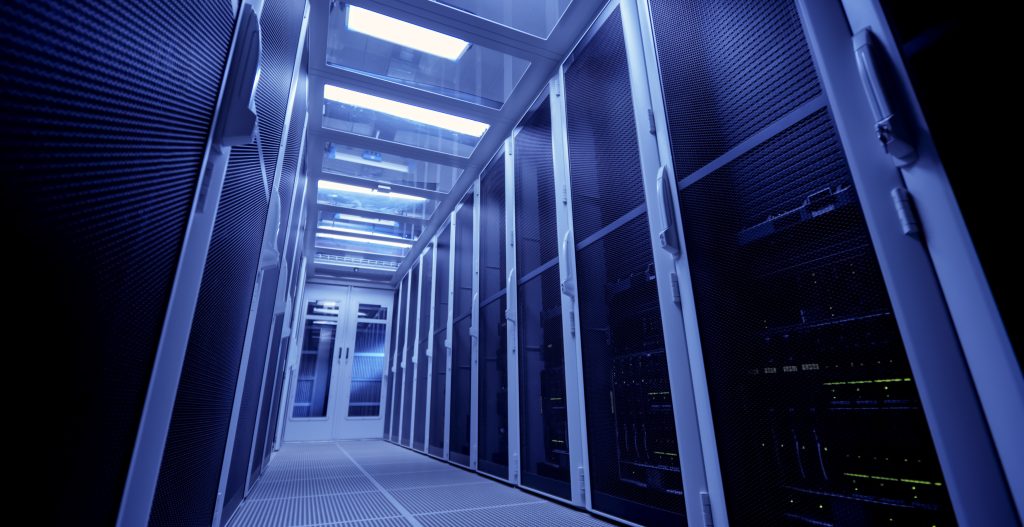
As global reliance on digital services accelerates, the demand for high-performing, secure and energy-efficient data centres has never been greater. Developers are under pressure to build facilities that not only deliver speed and resilience but also meet strict sustainability targets and tight construction timelines.
Aluminium often overlooked as a structural and architectural solution is quickly becoming a standout material in modern data centre builds. Its strength-to-weight ratio, corrosion resistance, modularity and thermal performance make it an ideal choice for façades, windows, doors, containment systems and key structural elements.
In this blog, we explore how aluminium is supporting the next generation of data centre construction, helping engineers, architects and developers meet the complex demands of today’s digital infrastructure.
What Is Data Centre Construction?
Data centre construction refers to the design, build and deployment of specialised facilities that house IT and networking equipment, provide controlled environmental conditions, and deliver continuous power, cooling, connectivity and security. These buildings must operate 24/7, maintain strict uptime requirements and support massive data loads all while keeping operational and environmental costs under control.
To achieve this, developers must integrate five core elements into every project:
- Power Infrastructure
- Cooling & Ventilation Systems
- Rack & Aisle Equipment
- Physical Security
- Building Envelope & Structural Design
Aluminium plays a key role across each of these areas, making it one of the most versatile materials for high-performance digital infrastructure.
Why Aluminium? The Material Designed for Modern Data Centres
Aluminium offers a powerful blend of strength, efficiency, flexibility and sustainability, making it exceptionally well-suited to the demanding environment of a data centre.
1. Lightweight Strength for Faster, Safer Construction
Aluminium is significantly lighter than steel while maintaining impressive structural strength. This matters for data centres because:
- Lighter materials reduce foundation load
- Panels and structures can be installed faster
- Transportation costs and environmental impact are lower
- Modular components are easier to handle on-site
For developers working to aggressive timelines, aluminium speeds up the build process without compromising structural resilience.
2. Corrosion Resistance for Long-Term Performance
Data centres are designed for longevity, often operating for decades. Aluminium’s natural corrosion resistance means:
- Lower lifecycle maintenance costs
- Longer operational lifespan
- Greater reliability in varied climates
- No deterioration in structural or aesthetic performance
This makes it ideal for external façades, doors, louvres, window systems and rooftop plant enclosures.
3. Superior Thermal Efficiency
Cooling accounts for up to 40% of a data centre’s total energy consumption. Aluminium constructions when combined with the right glazing, insulation and HVAC integration reduce heat transfer and improve energy performance. Benefits include:
- Better temperature regulation
- Reduced load on HVAC systems
- Lower operational carbon footprint
- Improved compliance with environmental standards
As sustainability targets become non-negotiable, thermally efficient materials like aluminium are shaping how facilities are designed.
Supporting Security, Resilience and Compliance
High-Level Physical Security
Data centres must protect against unauthorised access, vandalism and environmental threats. Aluminium systems provide:
- High-strength, tamper-resistant door and window frames
- Secure containment partitions
- Robust perimeter façades
- Custom-built enclosures for critical plant equipment
Because aluminium can be extruded and fabricated into thousands of profiles, it enables bespoke security features without lengthy lead times.
Fire Safety & Structural Protection
Aluminium works seamlessly with fire-resistant coatings and barrier systems, helping facilities meet stringent fire regulations. Its stability, combined with the ability to form airtight and fire-rated constructions, supports both occupant safety and equipment protection.
Aisle Containment: Where Aluminium Really Excels
One of the most important considerations in data centre operation is airflow management. Poor containment leads to energy loss, cooling inefficiencies and higher operational costs.
This is where aluminium’s versatility becomes transformative.
Aluminium supports lightweight, durable and modular aisle containment solutions such as the AirBox® Aisle Containment systems referenced in the source document. These solutions enable:
- Hot or cold aisle segregation
- Higher cooling efficiency
- Reduced energy consumption
- Better temperature control over IT equipment
- Quick installation and reconfiguration
The modularity of aluminium means containment systems can evolve with the data centre, supporting expansion, rack changes and new layouts with minimal disruption.
Helping Projects Stay on Time and On Budget
One of the biggest challenges in data centre construction is speed. Demand is rising rapidly, and providers need to bring facilities online quickly to meet market needs.
Aluminium supports accelerated programmes through:
- Fast manufacturing and fabrication
- Lightweight installation
- Modular, prefabricated component options
- Reduced on-site labour requirements
- Lower risk of weather-related delays
By creating façades, louvres, doors, windows and containment systems off-site, developers gain predictable build programmes and fewer surprises during installation.
Driving Down Lifetime Costs
Choosing aluminium isn’t just about faster construction it’s about long-term financial and operational benefits. Advantages include:
- Minimal maintenance requirements
- High durability and corrosion resistance
- Better thermal management and lower cooling costs
- Long lifecycle performance compared to alternative materials
- Strong recyclability and end-of-life value
In an industry where operating costs matter as much as capital expenditure, aluminium supports both short and long-term ROI.
Sustainability at Every Stage
Aluminium is one of the most recyclable materials on the planet. Up to 95% of the energy originally used to produce aluminium can be saved through recycling. For data centre operators striving toward net-zero targets, this makes a significant contribution.
Sustainability advantages include:
- Reduced embodied carbon
- Long operational lifespan
- Compatibility with high-performance insulation
- Recyclability and circular economy value
- Reduced energy consumption through better thermal performance
As the environmental expectations for digital infrastructure increase, aluminium directly supports greener construction practices.
Conclusion: Aluminium Is Helping Shape the Future of Data Centre Design
Data centres are becoming larger, more advanced and more environmentally conscious and construction methods must keep pace. Aluminium provides the perfect blend of performance, speed, security and sustainability needed to deliver modern, resilient digital infrastructure.
From façades to containment systems, its lightweight strength, corrosion resistance and modular versatility make it an essential material for developers seeking smarter, more efficient and future-ready builds.
Whether you’re looking to optimise airflow, strengthen building security, reduce embodied carbon or accelerate your construction timeline, aluminium can play a defining role in elevating your next data centre project.